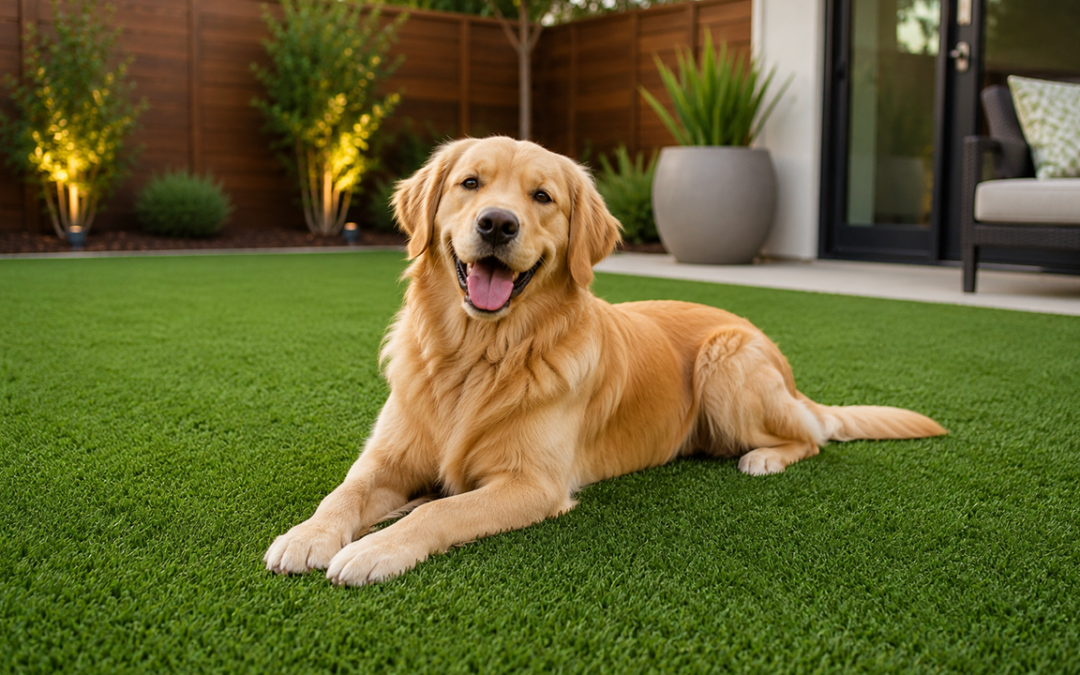
Keeping a backyard clean and comfortable for pets can be challenging, especially when dealing with muddy lawns, pests, and seasonal allergies. That is one reason many homeowners are making the switch to Fake Grass For Dogs as a smarter and more pet-friendly landscaping solution. Unlike natural grass, artificial turf helps reduce allergens, minimizes pests, and creates a cleaner outdoor environment for both pets and families.
Across Northern California and the Bay Area, more homeowners are discovering the benefits of artificial grass for dogs because it combines convenience, durability, and year-round curb appeal without the constant maintenance of a traditional lawn.
Why Natural Grass Can Trigger Allergies and Pest Problems
Traditional lawns may seem harmless, but they can often become breeding grounds for allergens and insects. Natural grass produces pollen, traps moisture, and allows weeds to grow, all of which can affect dogs and people with allergies.
Dogs are especially vulnerable because they spend a lot of time laying, rolling, and playing in the grass. This repeated exposure can lead to:
- Itchy skin
- Sneezing
- Red or watery eyes
- Excessive scratching
- Irritated paws
Natural lawns can also attract fleas, ticks, ants, and mosquitoes. Damp soil and overgrown grass create ideal environments for pests to hide and reproduce.
In addition, many homeowners use fertilizers, pesticides, and weed control products to maintain their lawns. These chemicals can sometimes irritate pets or create concerns for families with small children.
How Fake Grass For Dogs Helps Reduce Allergies
One of the biggest advantages of artificial turf is that it significantly reduces many common outdoor allergens. Since artificial grass does not grow like natural grass, it does not release pollen into the air.
This helps create a cleaner outdoor space for dogs and homeowners who suffer from environmental allergies.
Reduced Pollen Exposure
Natural grass produces pollen that can trigger allergy symptoms throughout the year. Artificial grass eliminates this source entirely.
Fewer Weeds
Most professionally installed turf systems include weed barriers that reduce weed growth. Fewer weeds mean fewer airborne allergens around your yard.
Better Drainage Reduces Mold
High-quality turf systems are designed with drainage layers that prevent standing water. This helps reduce moisture buildup that can contribute to mold and mildew.
Cleaner Outdoor Surfaces
Artificial turf prevents dirt and mud from spreading throughout your yard and home. This helps minimize dust and debris that may irritate allergies.
For families with pets and children, artificial grass creates a cleaner and more comfortable outdoor environment.
Artificial Grass Helps Reduce Fleas, Ticks, and Other Pests
Pests are a common problem in traditional lawns, especially during warmer months. Fleas and ticks thrive in moist natural grass because it provides shelter and shade.
Artificial grass helps reduce many of the conditions pests rely on to survive.
Less Moisture Retention
Natural lawns often stay damp after watering or rain. Artificial turf drains water much faster, helping eliminate damp areas where insects breed.
Fewer Hiding Spots for Pests
Short, dense synthetic turf provides fewer hiding places compared to overgrown natural grass and weeds.
Reduced Need for Lawn Chemicals
Because artificial turf requires minimal maintenance, homeowners can reduce the use of pesticides and insect treatments around pets and children.
Weed Prevention Helps Minimize Bugs
Weeds often attract insects and create additional pest activity. Properly installed turf systems help control weed growth naturally.
For homeowners looking to create a safer and cleaner backyard, artificial turf can make a major difference.
Turf Grass Creates a More Durable Play Area for Dogs
Dogs can quickly wear down natural lawns from running, digging, and repeated bathroom use. Dead patches, muddy spots, and uneven grass are common issues for pet owners.
High quality Turf Grass is designed to withstand heavy use while maintaining its appearance year-round.
Pet-friendly turf systems are often built with:
- Durable backing materials
- Fast drainage systems
- Soft textures for comfort
- Heat-resistant technology
- Antimicrobial protection
This allows dogs to enjoy the yard without constantly damaging the lawn.
Artificial turf also stays visually appealing regardless of weather conditions, making it easier to maintain a polished outdoor space.
Easier Cleanup for Pet Owners
Cleaning up after pets becomes much simpler with artificial grass. Solid waste can be removed quickly, while liquid waste drains through the turf system below.
Many homeowners appreciate that artificial grass helps eliminate muddy paw prints and dirt throughout the home.
Simple maintenance routines usually include:
- Picking up solid waste
- Occasionally rinsing the turf
- Light brushing to maintain appearance
Compared to mowing, watering, fertilizing, and reseeding natural grass, artificial turf requires far less effort.
Artificial Grass Helps Save Water
Water conservation has become increasingly important throughout California. Maintaining a green natural lawn often requires significant watering, especially during hot summer months.
Artificial grass helps homeowners dramatically reduce outdoor water usage while still enjoying a green and attractive yard year-round.
This is one reason synthetic turf has become so popular across drought-prone regions throughout Northern California and the Bay Area.
Understanding Artificial Turf Cost
Some homeowners initially hesitate because of the upfront Artificial Turf Cost, but many discover that artificial grass becomes cost-effective over time.
Traditional lawns require ongoing expenses such as:
- Water bills
- Lawn maintenance
- Fertilizers
- Weed control
- Pest treatments
- Reseeding and repairs
Artificial turf eliminates many of these recurring costs.
The total installation cost depends on factors such as:
- Yard size
- Turf quality
- Drainage systems
- Ground preparation
- Installation complexity
While the initial investment may be higher than sod, artificial turf often delivers long-term savings with significantly lower maintenance requirements.
Artificial Grass Looks Great Year-Round
Natural grass can quickly become patchy, dry, or damaged due to weather, pet traffic, and seasonal changes. Artificial grass provides a consistently green and polished appearance throughout the year.
Modern turf products are designed with realistic color variations and soft textures that closely resemble natural grass.
For homeowners focused on curb appeal and outdoor living spaces, artificial turf provides a clean and attractive landscaping solution without constant upkeep.
Choosing the Right Artificial Grass for Dogs
Not all artificial turf products are created equally. Homeowners with pets should choose turf systems specifically designed for dog-friendly use.
Important features to look for include:
- Excellent drainage capability
- Durable construction
- Odor control technology
- UV protection
- Comfortable surface texture
- Antimicrobial protection
Professional installation also plays a major role in the performance and longevity of the turf system.
A properly installed base improves drainage, helps reduce odors, and keeps the turf looking great for years.
Popular Across Northern California and the Bay Area
Artificial grass continues to grow in popularity among homeowners throughout Northern California because it offers a cleaner, lower maintenance, and more pet-friendly alternative to traditional lawns.
Homeowners in Sacramento, Elk Grove, Rosemont, San Francisco, Oakland, Berkeley, Fremont, Concord, Pleasanton, Stockton, Tracy, Manteca, Lodi, Mountain House, San Jose, Palo Alto, Cupertino, Sunnyvale, Santa Clara, and throughout the Bay Area are making the switch to synthetic turf for their homes and pet areas.
Create a Cleaner and Safer Yard for Your Pets
If you are looking for a way to reduce allergens, minimize pests, and simplify lawn maintenance, artificial grass can provide a long-lasting solution for your home and pets. From cleaner surfaces to fewer bugs and muddy messes, synthetic turf offers practical benefits that many homeowners appreciate year-round.
Field of Green specializes in premium artificial turf solutions designed for pets, families, and outdoor living spaces throughout Northern California. Their team can help you create a beautiful and functional yard built for long-term performance. Contact us today for a free estimate.
FAQ About Fake Grass For Dogs
Does Fake Grass For Dogs help reduce allergies?
Yes. Fake Grass For Dogs helps reduce exposure to pollen, weeds, mold, and other common outdoor allergens that are often found in natural lawns. Artificial grass does not produce pollen, making it a cleaner option for allergy-sensitive pets and homeowners.
Can artificial grass help reduce fleas and ticks?
Artificial grass can help reduce fleas and ticks because it eliminates many of the damp and shaded areas where pests typically thrive. Proper drainage and reduced organic material make synthetic turf less attractive to insects.
Is artificial grass safe for dogs?
Yes. High-quality artificial turf designed for pets is safe, durable, and comfortable for dogs to play and rest on. Many pet-friendly turf products also include antimicrobial and odor-control features.
How do you clean fake grass for dogs?
Most pet owners simply remove solid waste and rinse the turf occasionally with water. Some homeowners also use turf-safe cleaners to help maintain freshness and reduce odors.
Does artificial turf get muddy?
No. Artificial turf eliminates muddy patches because it does not contain exposed soil like natural grass. This helps keep paws cleaner and reduces dirt tracked into the house.
How long does artificial grass last for homes with dogs?
Professionally installed artificial turf can last many years, even in homes with active pets. Durability depends on turf quality, installation, and overall maintenance.
Does Turf Grass require watering?
Unlike natural grass, Turf Grass does not require regular watering to stay green. Occasional rinsing may be used for cleaning, but overall water usage is significantly lower compared to traditional lawns.
What affects Artificial Turf Cost?
Several factors affect Artificial Turf Cost, including yard size, turf quality, drainage systems, installation complexity, and site preparation. While the upfront investment may be higher than sod, many homeowners save money long-term through reduced maintenance and water bills.
Can artificial grass help with muddy dog paws?
Yes. Artificial grass helps eliminate muddy areas caused by rain or watering, which means cleaner paws and less mess inside your home.
Is artificial grass a good option for California homeowners?
Artificial grass is a popular choice throughout California because it helps conserve water, reduces lawn maintenance, and provides a clean, green appearance year-round. Many homeowners across the Bay Area and Northern California are switching to synthetic turf for pet-friendly outdoor spaces.