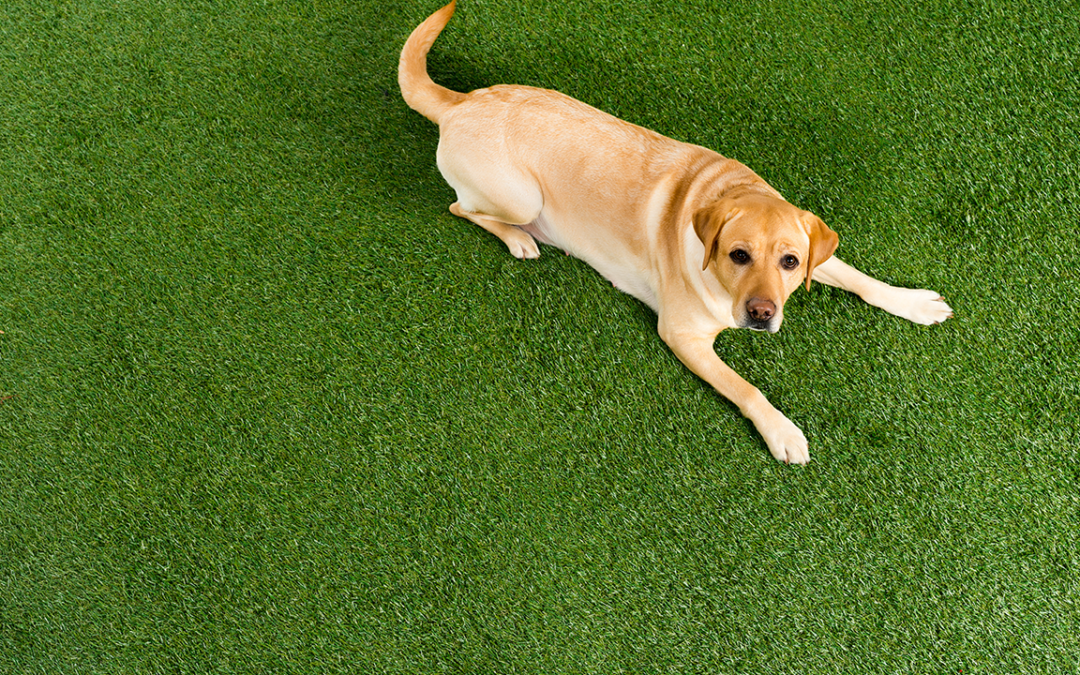
If you’re considering upgrading your yard, one of the first questions that comes up is whether Fake Grass For Dogs is actually safe. With more homeowners moving away from traditional lawns, artificial surfaces are becoming a popular option for pet-friendly homes. But safety, comfort, and long-term value all matter when your dog uses the space every day.
The short answer is yes. Fake Grass For Dogs is generally safe when you choose high-quality materials and proper installation. However, there are a few important details homeowners need to understand before making the switch.
What Is Fake Grass Made Of?
Modern artificial grass is designed to look and feel like natural grass while offering better durability. Today’s turf grass systems are engineered with multiple layers that work together to create a safe and functional surface for pets.
A typical artificial grass system includes synthetic grass fibers made from polyethylene or polypropylene, a backing layer that holds the fibers in place, infill materials such as silica sand or antimicrobial infill, and a drainage base layer that allows liquids to pass through easily.
For dog owners, the infill and drainage system are especially important. These components help prevent odor buildup, reduce bacteria, and keep your yard clean after repeated use.
Is Fake Grass Safe for Dogs?
Yes, Fake Grass For Dogs is safe when installed correctly and when you choose pet-friendly materials. In fact, many homeowners find it safer than natural grass for everyday use.
One of the biggest advantages is that high-quality artificial grass is made from non-toxic materials. Your dog can play, roll around, and relax on the surface without exposure to harmful substances. Unlike natural grass, artificial grass does not require pesticides, fertilizers, or weed killers. This eliminates a major source of chemical exposure for pets.
Artificial grass also improves cleanliness. With proper drainage, urine flows through the system instead of sitting on the surface. Solid waste can be easily removed, and many turf systems include antimicrobial infill that helps control bacteria and odors.
Another benefit is allergy reduction. Some dogs experience skin irritation or itching from natural grass. Artificial grass removes that trigger, creating a more comfortable environment.
What About Heat?
A common concern homeowners have is whether artificial grass gets too hot for dogs. It is true that artificial grass can become warmer than natural grass under direct sunlight, especially during hot summer days.
However, there are practical ways to manage heat. Choosing lighter-colored artificial grass helps reflect sunlight. Installing cooling infill designed for pet areas can also reduce surface temperatures. Rinsing the turf with water quickly brings the temperature down, and adding shaded areas gives your dog a comfortable place to rest.
With these simple adjustments, artificial grass can remain safe and usable even during warmer months.
Drainage and Odor Control
One of the biggest advantages of turf grass is its drainage capability. Unlike natural grass, which can become muddy, uneven, and difficult to maintain, artificial grass is designed to handle heavy use.
A well-installed system includes a compacted base layer and a perforated backing that allows liquids to drain efficiently. This prevents pooling and reduces odor buildup. Many pet-friendly systems also use odor-resistant or antimicrobial infill to keep your yard fresh.
Routine rinsing and occasional cleaning help maintain a clean and odor-free surface, even with multiple pets.
Maintenance Is Simple
One of the reasons homeowners choose Fake Grass For Dogs is the low maintenance compared to natural lawns. Instead of mowing, watering, fertilizing, and reseeding, upkeep is straightforward and minimal.
Regular maintenance includes picking up solid waste, rinsing the area with water as needed, brushing the turf occasionally to keep the fibers upright, and using pet-safe cleaners for deeper cleaning when necessary.
This simplicity saves time and reduces ongoing costs, making artificial grass a practical long-term investment.
Artificial Grass vs Natural Grass for Dogs
When comparing artificial grass to natural grass, the differences are clear.
Natural grass requires constant maintenance and often develops worn patches, mud, and holes from digging. It can also attract pests such as fleas and ticks, and it may trigger allergies in some dogs.
Artificial grass, on the other hand, provides a consistent surface that stays green year-round. It eliminates mud, reduces pest issues, and creates a cleaner environment for pets. While the upfront Artificial Turf Cost may be higher, homeowners often save money over time by reducing water usage and maintenance expenses.
What to Look for in Pet-Friendly Artificial Grass
If you’re considering installing artificial grass, not all products are created equal. Choosing the right system makes a big difference in safety and performance.
Look for durable fibers that can handle heavy foot traffic and active pets. A strong backing system helps prevent damage from digging or scratching. Efficient drainage is essential for cleanliness and odor control. Antimicrobial infill helps reduce bacteria and keeps the surface fresh. Finally, choose a soft texture that is comfortable for your dog to walk and lie on.
Is Artificial Grass Worth It for Dog Owners?
For many homeowners, artificial grass is absolutely worth it. It creates a reliable, clean, and safe outdoor space that dogs can use every day without the challenges of maintaining a natural lawn.
There are no muddy paws tracked into the house, no dead patches in the yard, and no need for chemical treatments. The result is a low-maintenance landscape that looks great and performs well year-round.
Where Homeowners Are Installing Artificial Grass
Artificial grass continues to grow in popularity across California, especially in areas where water conservation and low maintenance are priorities.
Homeowners in Sacramento County, including Sacramento, Elk Grove, and Rosemont, are turning to turf grass for pet-friendly yards.
In San Francisco County, properties in San Francisco benefit from durable artificial lawns that handle heavy use.
Across the San Francisco–Oakland region, including Oakland, Berkeley, Fremont, Concord, and Pleasanton, artificial grass is becoming a preferred option for modern landscaping.
In San Joaquin County, cities like Stockton, Tracy, Manteca, Lodi, and Mountain House are seeing increased demand for artificial grass solutions.
In Santa Clara County, including San Jose, Palo Alto, Cupertino, Sunnyvale, and Santa Clara, homeowners are choosing artificial grass for both convenience and durability.
Across the Bay Area, artificial grass continues to gain traction as a smart landscaping solution.
Ready to Upgrade Your Yard?
Fake Grass For Dogs offers a safe, low-maintenance, and practical alternative to natural lawns. With the right materials and proper installation, it creates a clean and comfortable environment your dog can enjoy every day.
If you’re ready to upgrade your outdoor space, working with experienced professionals ensures the best results. Learn more about your options at Field of Green or take the next step and contact us today for a free estimate.